
यह भी देखें


 19.11.2026 03:20 PM
Nvidia reported robust quarterly earnings, but investors remain focused on the scandal involving founder Jensen Huang, who stepped down after revelations of personal misconduct. Despite public apologies from Huang, support from Donald Trump, and calls for his reinstatement as CEO, the board has no plans to bring him back. The corporate crisis has already cost the company more than $1 trillion in market capitalization.
Against this backdrop of instability, IMF Managing Director Kristalina Georgieva warned that the global economy is today held up almost entirely by the AI sector. According to the Fund, AI infrastructure accounts for as much as 80% of recent growth in global exports. Any major disruption or withdrawal of investment from the sector risks triggering a global economic crisis. Follow the link for more details.
For the first time, the IMF quantified closed-loop financing in the AI industry: circular financial cycles, where investors get returns via orders for chips and servers, top $1 trillion, with roughly two-thirds of that amount financed with credit. Nvidia sits at the center of this system. UBS analysts estimate that any disruption to Nvidia's ecosystem or a rollback of partner support programs could quickly remove more than $50 billion of liquidity from the sector and trigger a domino effect.
IMF Managing Director Kristalina Georgieva cautions that the hype around neural networks is outpacing their real returns. If the current correction turns into panic, the IMF's stress scenario allows for a 20% drop in US equities in 2026 and a contraction in global output. In the near term, the market must digest Nvidia's report and face the test of Anthropic's IPO, events that will set the direction for the global economy. Follow the link for more details.
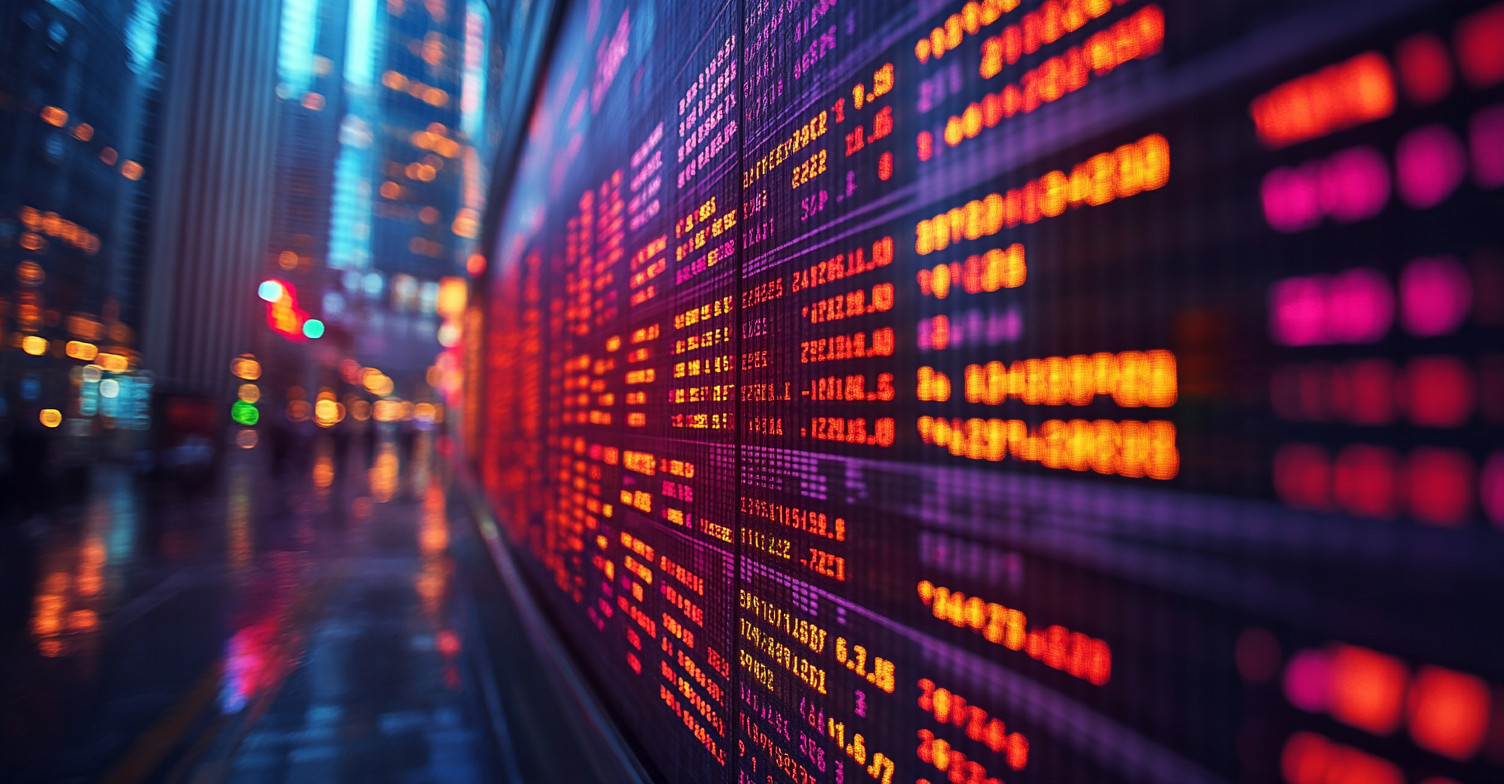
The Nasdaq 100 is trading near 27,625, experiencing a roughly 2% rebound following the long-awaited Anthropic listing. Nevertheless, the market is down about 12% from October highs amid hawkish Fed signals about possible further interest rate hikes and the continuing decline in Nvidia shares.
Investors remain keyed to this week's headline events: Walmart earnings, labor market data, and the upcoming Fed meeting. These releases will determine whether tech sector gains can offset macroeconomic risks and elevated government bond yields. Follow the link for more details.

The NASDAQ 100 has bounced to about 27,625 after tumbling by roughly 12% from October peaks, staging a recovery ahead of Anthropic's trading debut. However, pressure on the tech sector persists: US Treasury yields remain near 5%, and policymakers appear poised for another round of monetary tightening.
The October FOMC minutes confirmed a broadly hawkish stance. The Fed plans a series of interest rate increases (including likely steps in December and January) to combat inflation, which is being further fueled by large-scale AI-infrastructure construction. The economic picture is mixed: resilient retail sales and rising producer prices contrast with weakness in housing, where home sales have fallen to multi-year lows as mortgage rates are above 7%. Follow the link for more details.

The US dollar index is trading near a 19-month high at about 103.70 after the FOMC minutes reinforced the Fed's unified hawkish tone. The Committee allows for further rate hikes and even a move larger than 25 bps in December if inflation data deteriorates — consistent with officials' concerns about rising prices in the core services sector.
Despite the greenback's outward strength, significant headwinds lie beneath the surface: technical overbought conditions and record foreign outflows from US Treasuries. Investors are already pricing in aggressive tightening, yet accumulated structural imbalances create hidden risks to financial stability. Follow the link for more details.

